Partnerships & Facility
Everything we do starts with the people who grow the crops. Our facility in Magway handles every step from receiving to export.
Farmer Partnerships
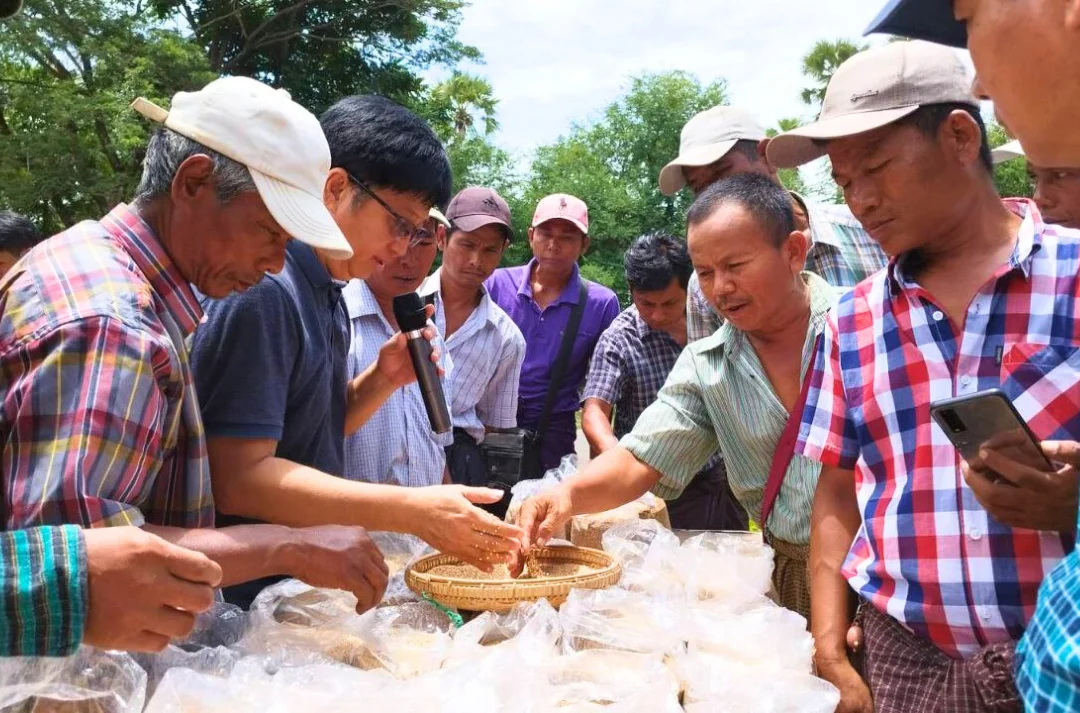
Since 2015, we have built our business around direct partnerships with farmer groups in Magway's dry zone. Today, we work with six groups, and that number continues to grow as more farmers see the benefits of working together.
We use a contract farming system. Before the growing season begins, we agree on crop types, quality standards, prices, and payment terms with each farmer group. Farmers know what they will be paid and who the buyer is before they plant.
When harvest comes, crops are weighed at our facility using standardized equipment, and farmers are paid in cash on the spot. There are no delays, no deductions, and no surprises.
Farmer Partnerships
Since 2015, we have built our business around direct partnerships with farmer groups in Magway's dry zone. Today, we work with six groups, and that number continues to grow as more farmers see the benefits of working together.
We use a contract farming system. Before the growing season begins, we agree on crop types, quality standards, prices, and payment terms with each farmer group. Farmers know what they will be paid and who the buyer is before they plant.
When harvest comes, crops are weighed at our facility using standardized equipment, and farmers are paid in cash on the spot. There are no delays, no deductions, and no surprises.
How Our Inclusive Model Works
Farmers sit at the table when decisions are made. They are involved in setting the terms of collective sales agreements alongside banks and exporters. This is not a system where a trader dictates terms. It is a partnership built on shared agreement.
Pre-Season
- Contract terms agreed with farmer groups
- Agricultural inputs and loans provided
- GAP training and capacity building
Harvest
- Crops weighed at our facility with standardized equipment
- Quality checked against agreed standards
- Farmers paid in cash on the spot
Market
- Cleaning, grading, and color sorting at our facility
- Domestic sale to buyers and processors
- International export to overseas markets
Who Benefits and How
We provide equal value services to all farmer members based on crop quality alone, regardless of age, gender, or social standing. Women and young farmers receive the same access to inputs, loans, training, and market prices as anyone else.
Through these partnerships, farmer groups gain more than just a buyer. They get guaranteed quality and quantity, access to agricultural inputs at the start of the season, loans when they need them, and hands-on training in GAP methods that help them grow better crops and earn higher prices.
Over time, we have seen farmer participation in groups increase as the results become clear to surrounding communities.
Equal Access
Equal value services to all farmer members based on crop quality alone, regardless of age, gender, or social standing.
Agricultural Inputs
Access to inputs at the start of the season to get crops planted with the right materials.
Loans & Financing
Seasonal loans when farmers need them, keeping operations running through the growing cycle.
GAP Training
Hands-on training in Good Agricultural Practices that help farmers grow better crops and earn higher prices.
Farm to Market
From the field, through our facility, to domestic and international buyers.
Farm
Farmer groups grow GAP-certified crops
MMTW
Receive, clean, grade, color sort
Market
Domestic buyers & international export
Connecting the Value Chain
We do not work in isolation. Our inclusive business model connects farmer groups to a wider network of stakeholders: banks that provide financing, input suppliers, exporters who move products to international markets, and buyers who need consistent quality. MMTW sits at the center of this chain, making sure every link works for the farmer as well as the buyer.
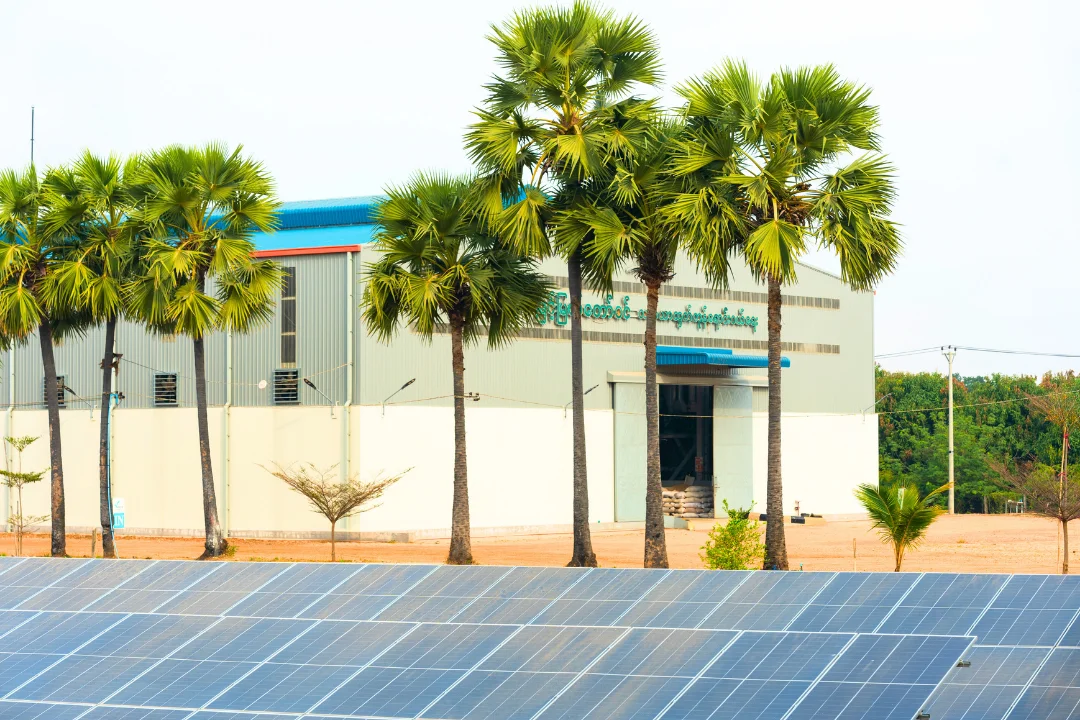
Our Magway facility is where every product is received, processed, stored, and shipped.
Processing & Facilities
Our processing and warehouse facility is located in Magway, in the heart of Myanmar's central dry zone. This is where every product we trade is received, checked, processed, stored, and shipped. Everything happens under one roof, from the moment crops arrive from farmer groups to the moment they leave on trucks for domestic buyers or export partners.
Processing
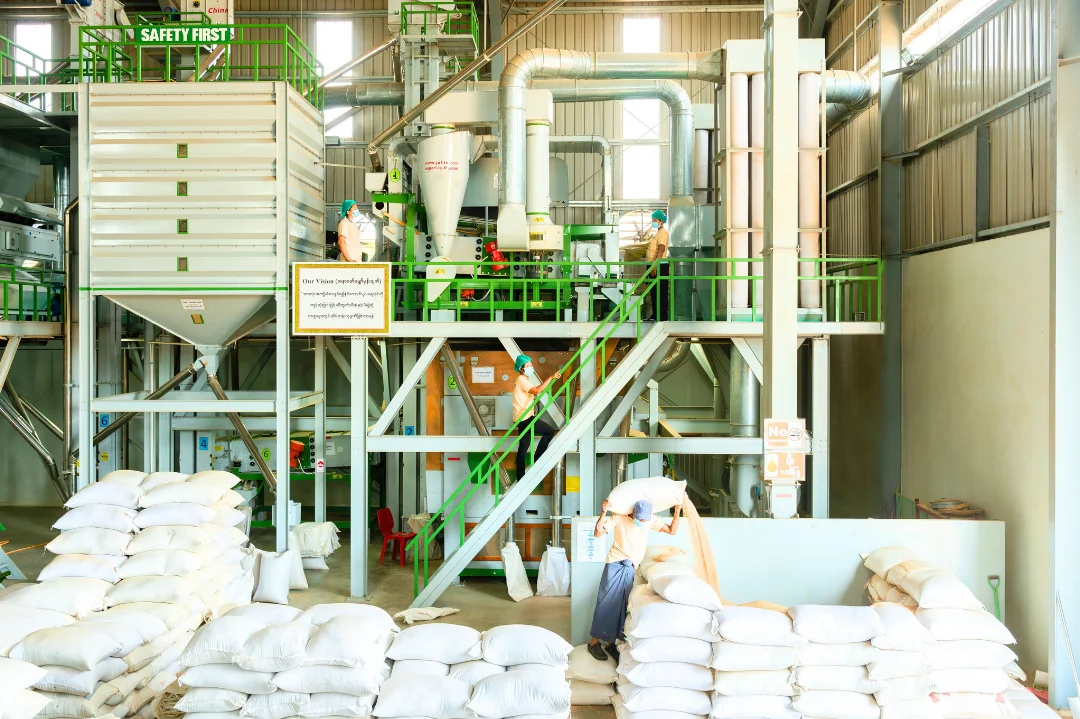
We run industrial-grade cleaning, grading, and color sorting equipment at our facility. Oilseeds and pulses go through multiple stages of processing to meet the quality standards that domestic and international buyers require. Raw materials and finished products are kept strictly separated throughout the process, so there is no risk of cross-contamination or quality loss between incoming crops and export-ready goods.
Warehouse & Storage
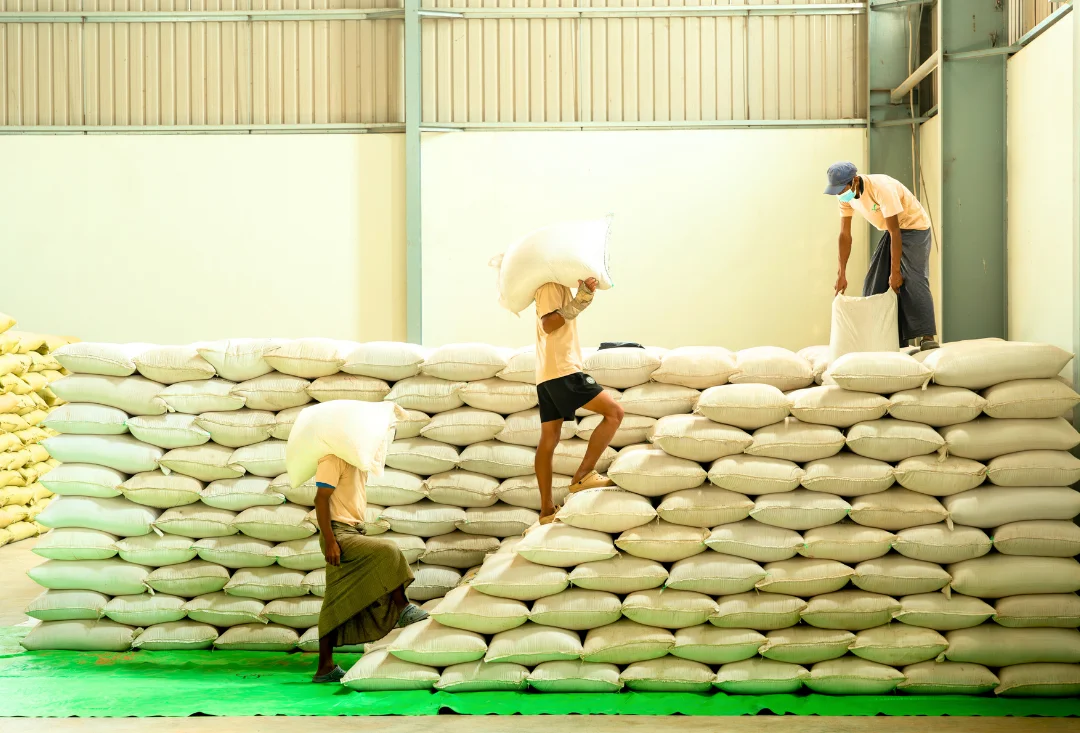
Our warehouse handles large volumes of agricultural commodities across trading seasons. Products are stored in organized, clearly marked sections by type and grade. During peak seasons, our 100 seasonal workers join the full-time team to manage the increased volume of receiving, processing, stacking, and loading operations.
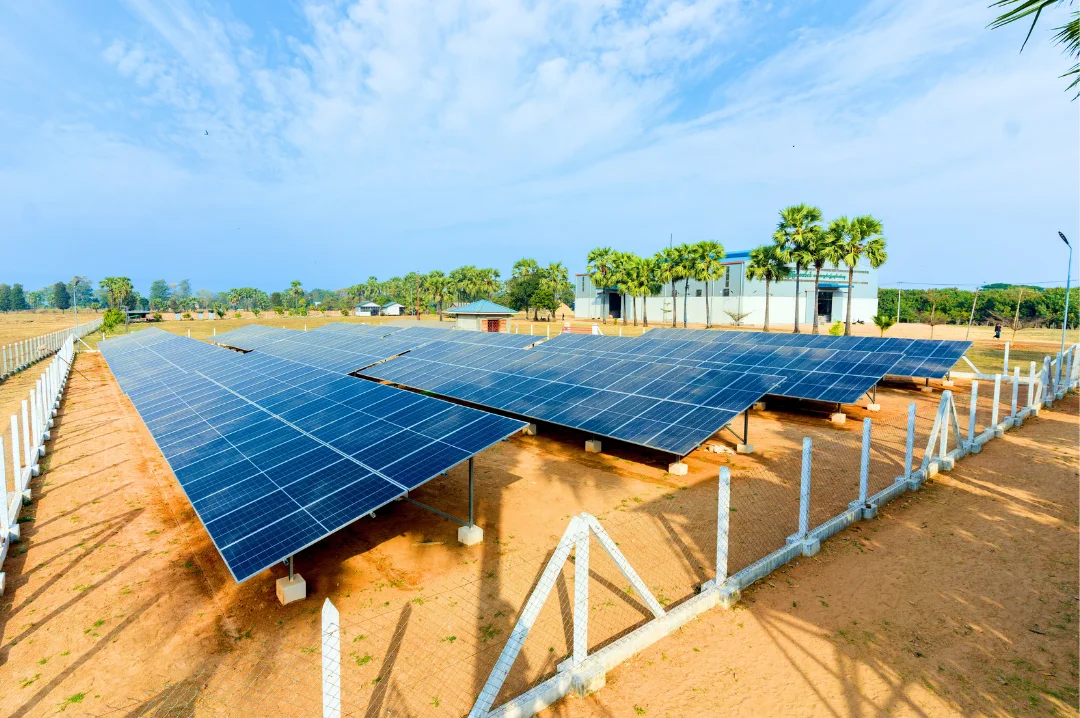
Solar PowerSustainability
We have installed solar panels at our facility to power operations and reduce our dependence on the grid. This is part of our commitment to building a greener workplace, and it keeps our facility running consistently in a region where power supply can be unreliable.
Interested in our processing capabilities or facility?
Contact Us